We take more photographs than any generation in history, yet we have fewer tangible memories than any generation before us. Here's why that matters.
The Paradox of Infinite Photography
The average smartphone user takes approximately 1,500 photos per year. Over a decade, that's 15,000 images. And yet, when was the last time you looked at any of them?
The paradox is this: we have never had more photographs, and we have never been more disconnected from them. The infinite scroll of digital images has replaced the deliberate curation of physical archives. We capture everything and remember nothing.
What We've Lost
Previous generations understood something we've forgotten: photographs are not records. They are vessels. A photograph carries emotion, context, and memory in a way that no amount of digital storage can replicate.
When your grandmother's wedding photos sat in an album on the coffee table, they were part of the family's daily life. They were touched, shared, discussed. They were present.
Your 15,000 digital photos are absent. They exist in the cloud, on a server you've never seen, in a format that may not be readable in twenty years. They are everywhere and nowhere.
The Case for Deliberate Photography
At The Curated Archive, we practice what we call "deliberate photography." It's an approach that prioritizes intention over volume, quality over quantity, and permanence over convenience.
The Principles
1. Shoot with purpose. Every photograph should have a reason for existing. Not "because the light was nice" — but "because this moment matters."
2. Curate ruthlessly. A visual archive of 100 carefully selected images is more valuable than 10,000 random captures. The act of selection is itself an act of meaning-making.
3. Print everything that matters. A photograph that exists only digitally is a photograph that doesn't exist. Print your important images. Frame them. Put them on walls. Let them be part of your physical environment.
4. Create narratives. Individual photographs are powerful. Sequences of photographs are transformative. Build visual stories that connect moments across time.
The Practice
What does deliberate photography look like in practice?
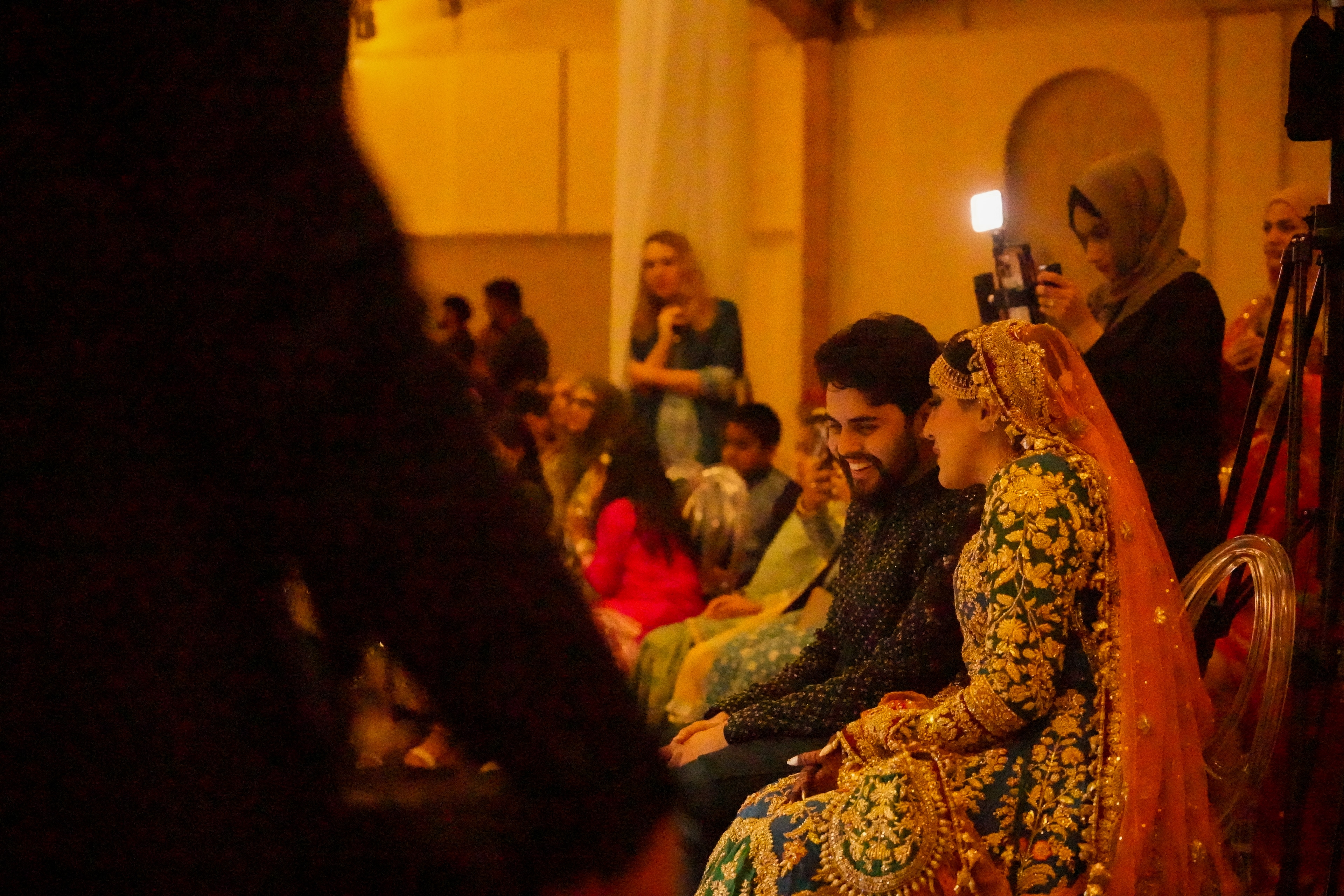
For families, it means commissioning portrait sessions not as annual obligations, but as intentional acts of legacy-building. It means documenting not just milestones (weddings, graduations, births) but the ordinary moments that define a life — Sunday mornings, quiet conversations, the way light falls through a kitchen window.
For individuals, it means creating a visual autobiography — not a selfie collection, but a considered body of work that captures who you are, where you've been, and what matters to you.
The Archive as Inheritance
The most valuable thing you can leave your descendants is not money or property. It's memory. A well-curated visual archive is an inheritance that appreciates in value over time.
Think about the photographs you treasure most. They're probably not the ones you took yourself. They're the ones your parents or grandparents created — images that connect you to people and places you never knew, but feel you understand.
That's the power of a visual archive. It's not about the present. It's about the future.
Getting Started
You don't need to be a professional photographer to build a visual archive. You need intention, consistency, and the willingness to invest in quality over quantity.
Start small. Commission one portrait session this year. Not a holiday card — a real session. Something that captures who you are right now.
Print everything. Every important image should exist in physical form. Invest in quality prints and proper archival storage.
Tell stories. Don't just collect images — organize them into narratives. A year in the life. A decade of growth. The story of a place.
Think in generations. The archive you build today will be the treasure your grandchildren discover tomorrow. Build accordingly.
This article is part of our Philosophy & Vision series. Read more about our approach to meaningful photography in the Curated Archive journal.