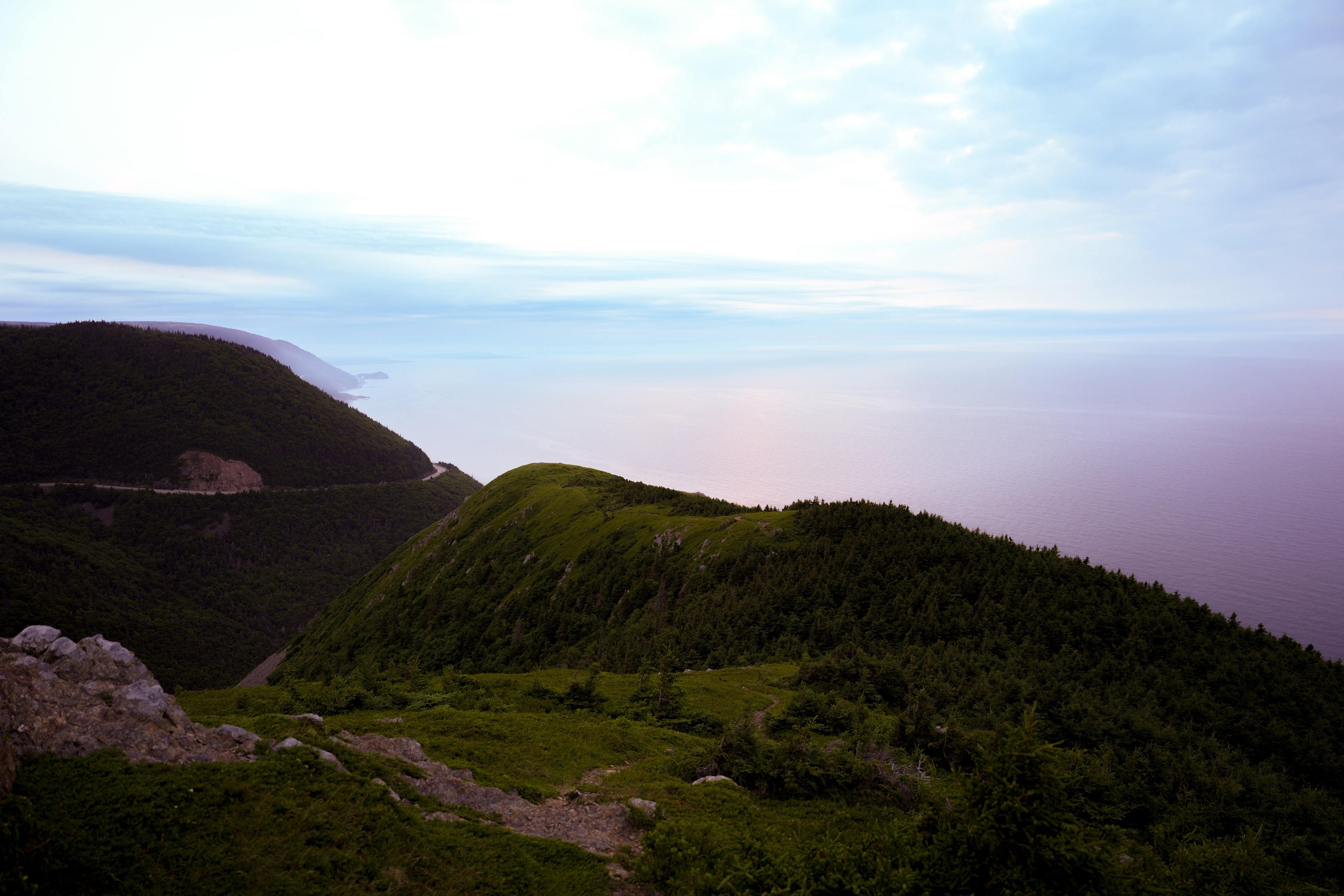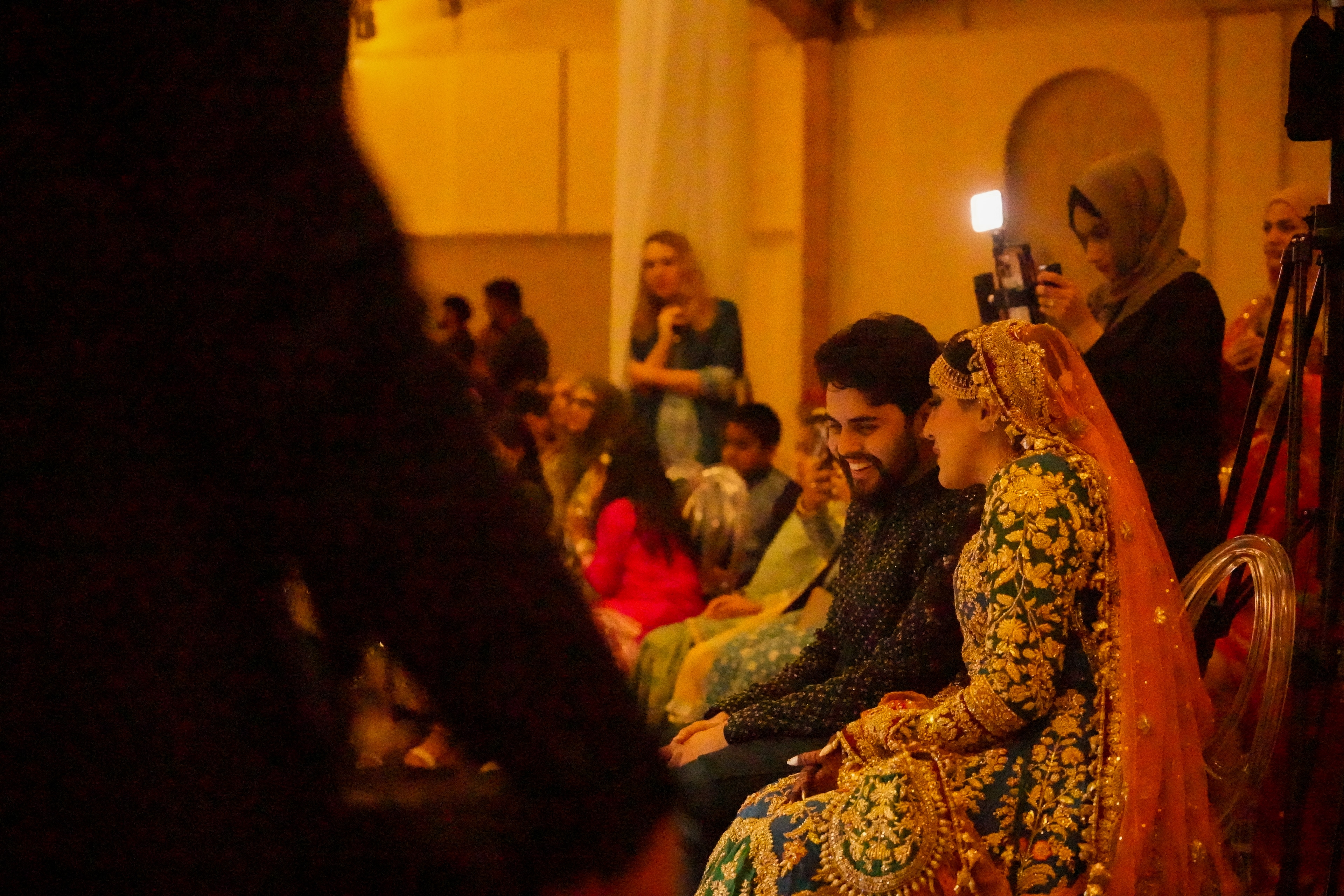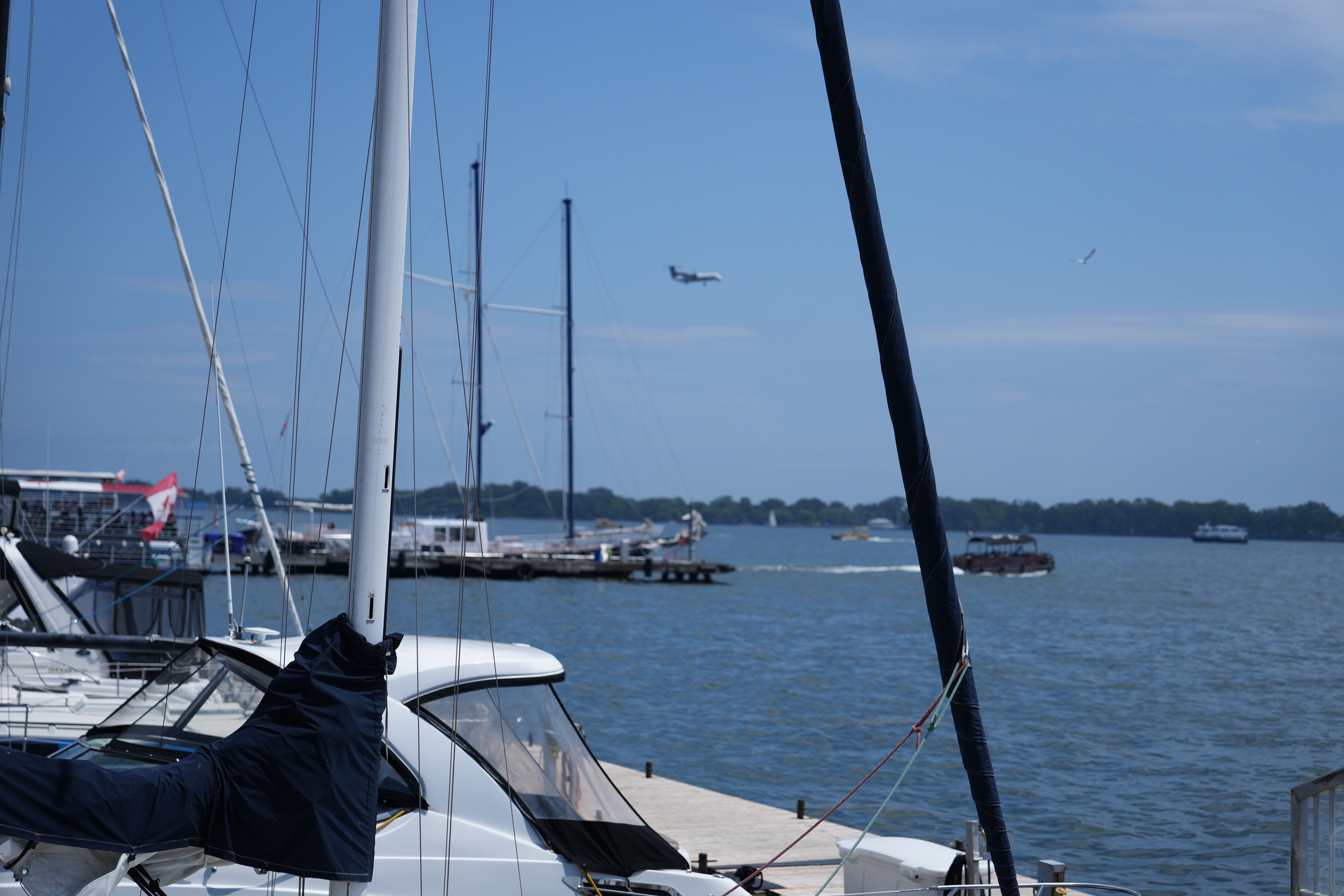
Every fishing village, every weathered wharf, every lighthouse keeper's cottage is disappearing. Photography is our last chance to preserve what remains.
The Disappearing Coast
The Maritime coast of Canada is changing faster than at any point in its recorded history. Rising sea levels, economic shifts, and population decline are transforming communities that have existed for centuries.
Peggy's Cove is no longer a fishing village — it's a tourist destination. The outports of Newfoundland are emptying. The working waterfronts of Halifax and Dartmouth are being replaced by condominiums and restaurants.
This is not a complaint about progress. It's an observation about loss. And it's a call to action for photographers.
What We're Losing
We're not just losing buildings. We're losing ways of life. The knowledge of how to read the weather, how to navigate by the stars, how to mend a net, how to predict the tides — this knowledge lives in people, not books. When the last generation of Maritime fishermen passes, that knowledge passes with them.
Photography cannot preserve knowledge. But it can preserve the faces, the places, and the objects that embody that knowledge. And sometimes, that's enough.
The Documentary Imperative
At The Curated Archive, we believe that fine art photography and documentary photography are not separate disciplines. The best documentary work is beautiful. The best fine art work is truthful.
Our Maritime Heritage project is an ongoing effort to document the disappearing landscapes and communities of the Atlantic coast. We approach this work with the same aesthetic standards we apply to our commercial and editorial projects — because the subjects deserve nothing less.
The Approach
We don't romanticize. Poverty, decline, and hardship are not aesthetic choices. We document what we see — the beauty and the difficulty — without filtering either through nostalgia.
We collaborate. Every community we photograph is a partner, not a subject. We share our work, we listen to feedback, and we ensure that the images serve the community's needs, not just our artistic vision.
We archive. Every image we create for this project is stored in archival format, with detailed metadata, and made available to historical societies, museums, and educational institutions.
Why This Matters
Photographic archives are the primary visual record of human history. When future generations want to understand what life was like on the Maritime coast in the early 21st century, they will look at photographs.
The question is: what will they see?
If we do our work well, they will see the truth — the beauty, the hardship, the resilience, and the grace of communities that refused to be forgotten.
The Curated Archive's Maritime Heritage project is ongoing. We welcome partnerships with historical societies, cultural institutions, and community organizations. Contact us to learn how we can document your community's story.