Golden hour is more than a pretty time of day. It's a predictable atmospheric phenomenon governed by physics, geography, and seasonal cycles.
What Golden Hour Actually Is
Golden hour occurs when the sun is between 0° and 6° above the horizon. During this window, sunlight travels through more of the Earth's atmosphere, scattering shorter blue wavelengths and allowing longer red and orange wavelengths to dominate.
The result is light that is:
- Warmer in color temperature — (typically 2000-3500K vs. 5500K at midday)
- Softer in quality — (the larger apparent size of the sun near the horizon creates larger, softer shadows)
- More directional — (the low angle creates long, dramatic shadows that add depth and dimension)
- More atmospheric — (increased scattering creates natural haze and depth cues)
The Mathematics of Prediction
You don't need to guess when golden hour occurs. It's calculable based on your latitude, longitude, and the date.
At our latitude in Halifax (approximately 44.6°N), golden hour behaves differently throughout the year:
- Summer solstice (June 21): — Golden hour begins around 8:00 PM and lasts until sunset at approximately 9:05 PM. The extended duration is due to the shallow angle of the sun's path relative to the horizon at northern latitudes.
- Winter solstice (December 21): — Golden hour begins around 3:45 PM and lasts until sunset at approximately 4:35 PM. The shorter window is compressed by the steeper angle of the sun's descent.
- Equinoxes (March 20, September 22): — Golden hour begins around 6:45 PM and lasts until sunset at approximately 7:15 PM.
Coastal Amplification
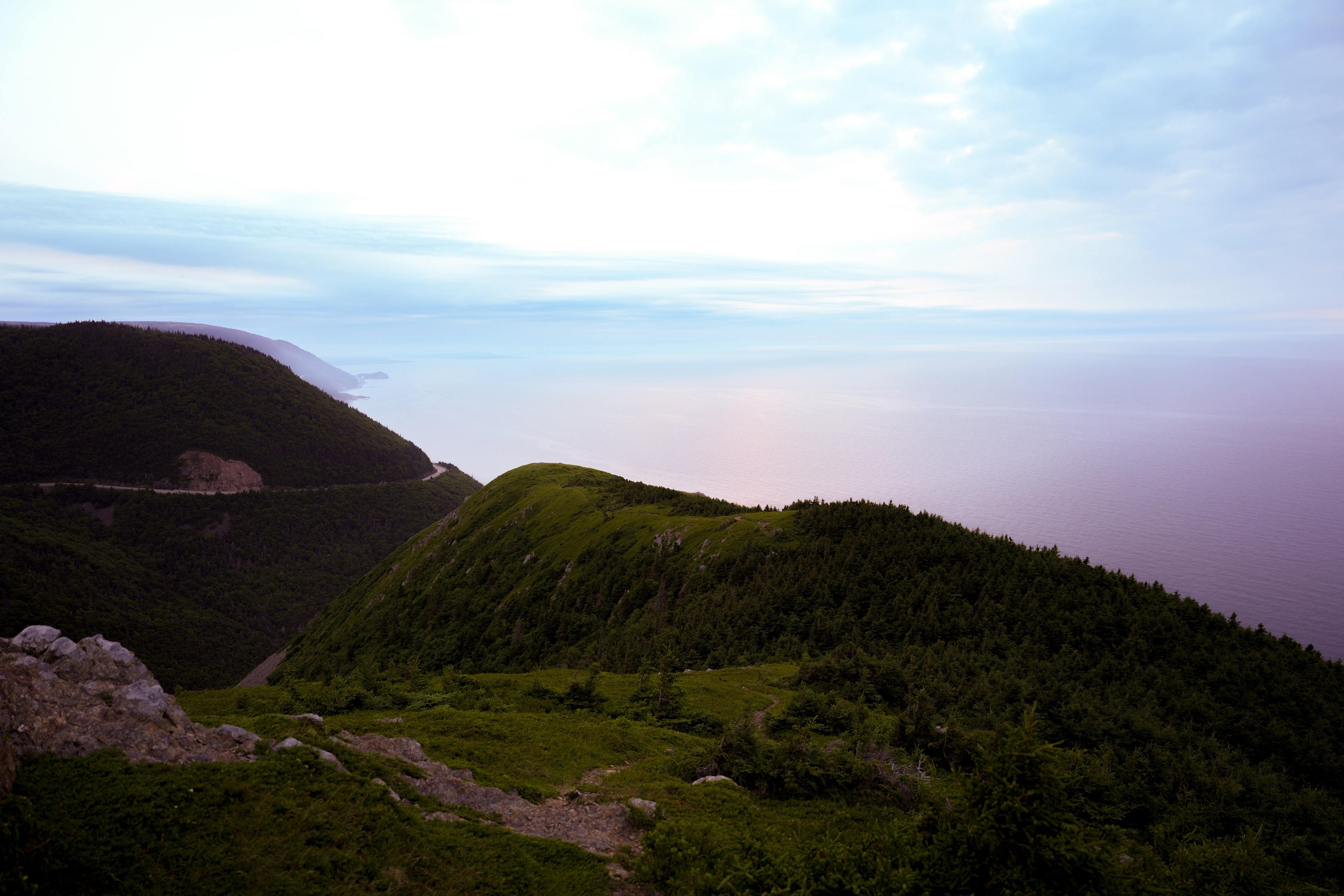
Here's what most golden hour guides don't tell you: coastal locations amplify golden hour effects. The interaction between low-angle sunlight and water creates secondary light sources through reflection, effectively doubling the available illumination and creating a unique quality of light found nowhere else.
At The Curated Archive, we've measured the color temperature of reflected golden hour light off the Atlantic at approximately 2800K — significantly warmer than direct sunlight. This reflected light fills shadows with warmth, creating a natural fill light that no reflector can match.
Planning Golden Hour Shoots
The Pre-Production Checklist
1. Calculate exact golden hour times using PhotoPills or similar apps. Don't rely on approximations — the difference between 6:42 and 6:48 can be the difference between perfect and missed light.
2. Scout the location at the same time of day at least one week before the shoot. Light direction and quality vary significantly based on local geography.
3. Check weather patterns — not just for cloud cover, but for atmospheric conditions. High humidity amplifies golden hour effects; low humidity diminishes them.
4. Plan your shoot in reverse. Start with the final image you want and work backward to determine where you need to be, when, and with what equipment.
Equipment for Golden Hour
Lenses: Wide-angle lenses (24-35mm) excel at capturing the expansive quality of golden hour landscapes. Portrait lenses (85-135mm) compress the warm background light beautifully.
Filters: Polarizers are less effective during golden hour (the light is already diffused), but neutral density filters can be useful for extending exposures and capturing motion in clouds and water.
Film stocks: For golden hour film work, we recommend Portra 400 for its warm bias and Ektar 100 for its saturation. Both render golden hour light with an emotional quality that digital sensors struggle to match.
Beyond Golden Hour: Blue Hour and the Magic Hours
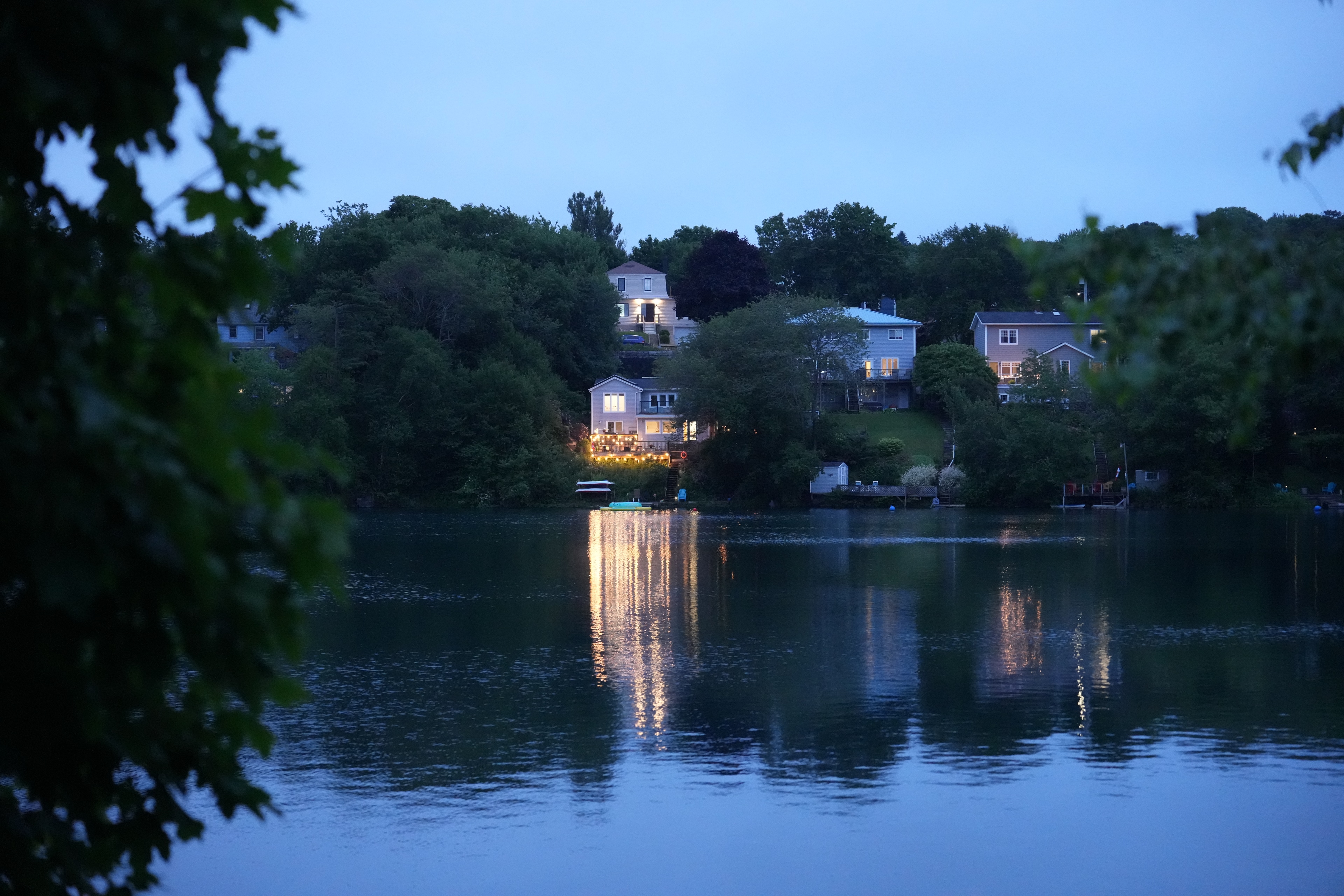
Golden hour is not the only magical time. Blue hour — the period of twilight when the sun is between 4° and 8° below the horizon — offers a completely different but equally compelling quality of light.
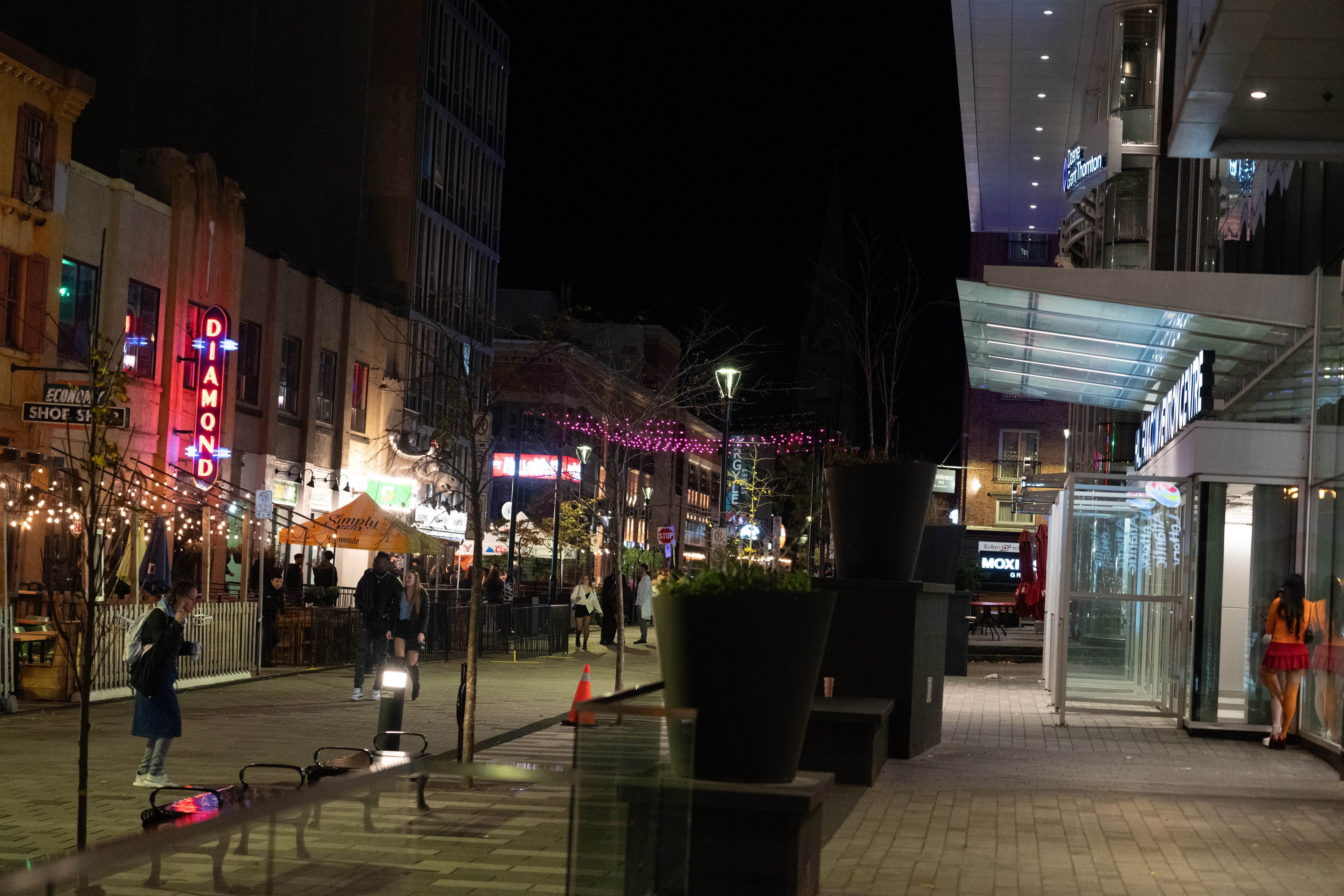
Blue hour light is cool, even, and ethereal. It's ideal for architectural photography, cityscapes, and moody portraits. The combination of residual warm light on the horizon and cool ambient light creates a color contrast that is visually striking.
At The Curated Archive, we often shoot through both golden and blue hour in a single session, capturing the full spectrum of transitional light. The resulting images tell a more complete story of place and time.
Akshay Kumar leads all creative work at Akshay Kumar Studios. His approach to light and color science informs every image the studio produces.