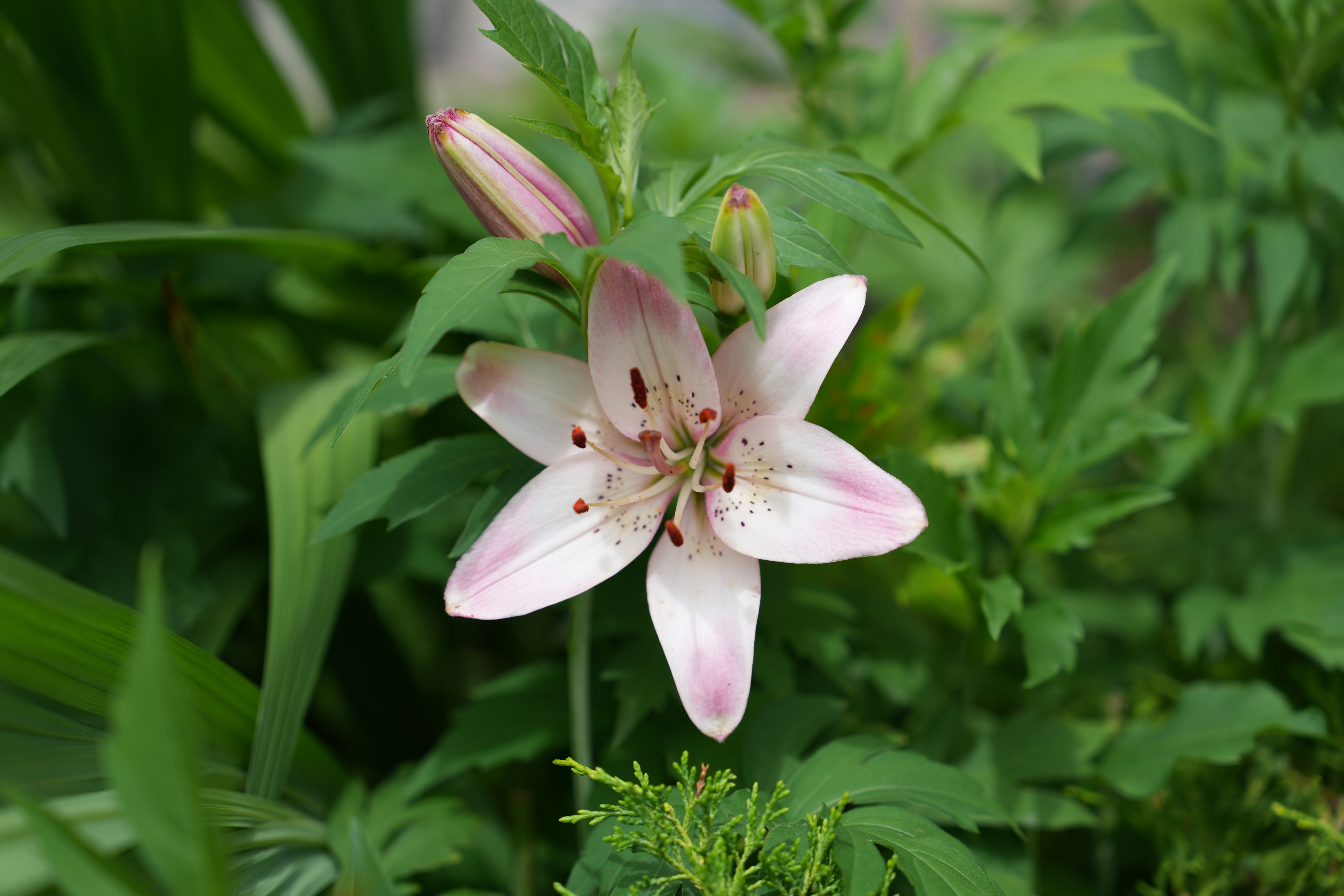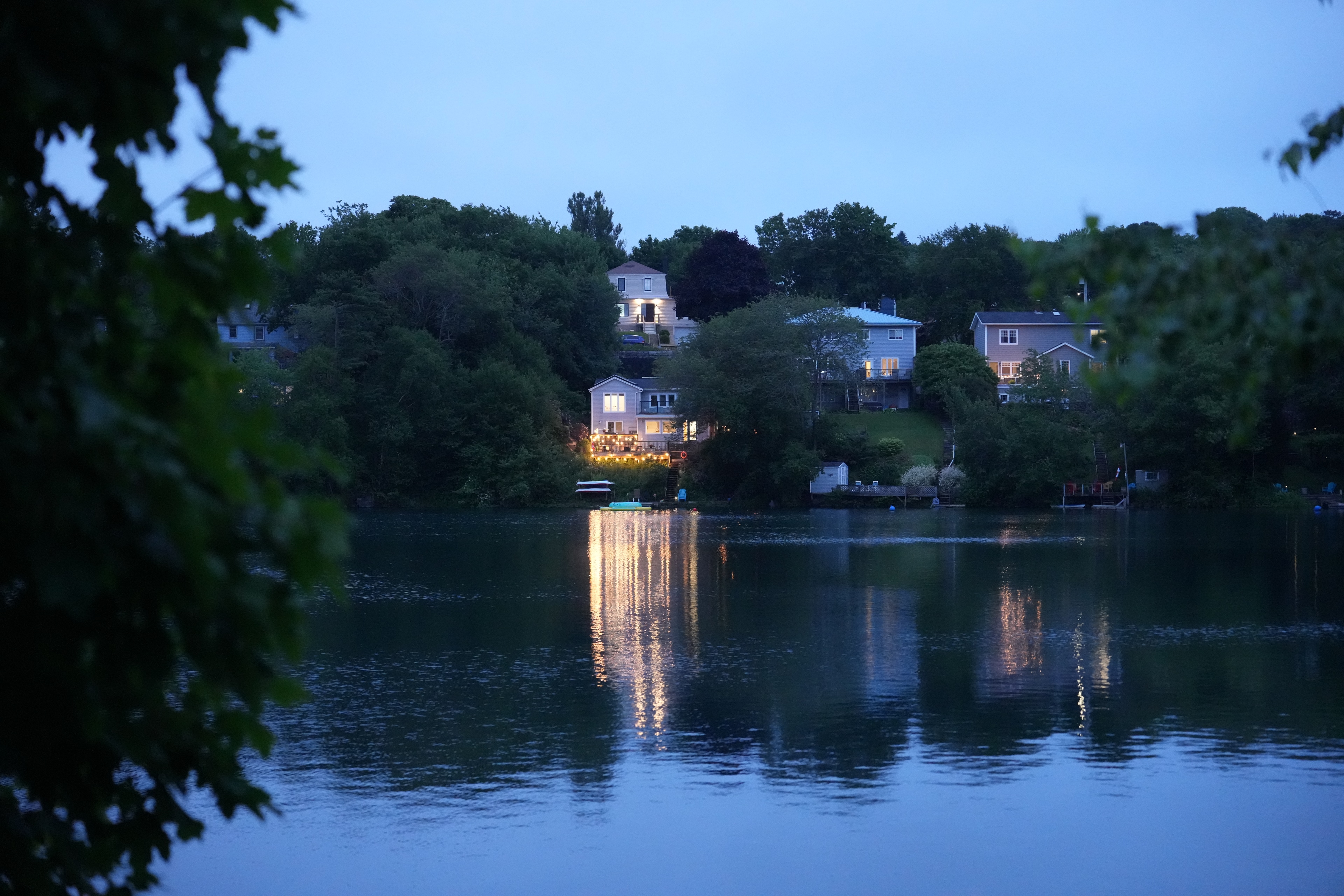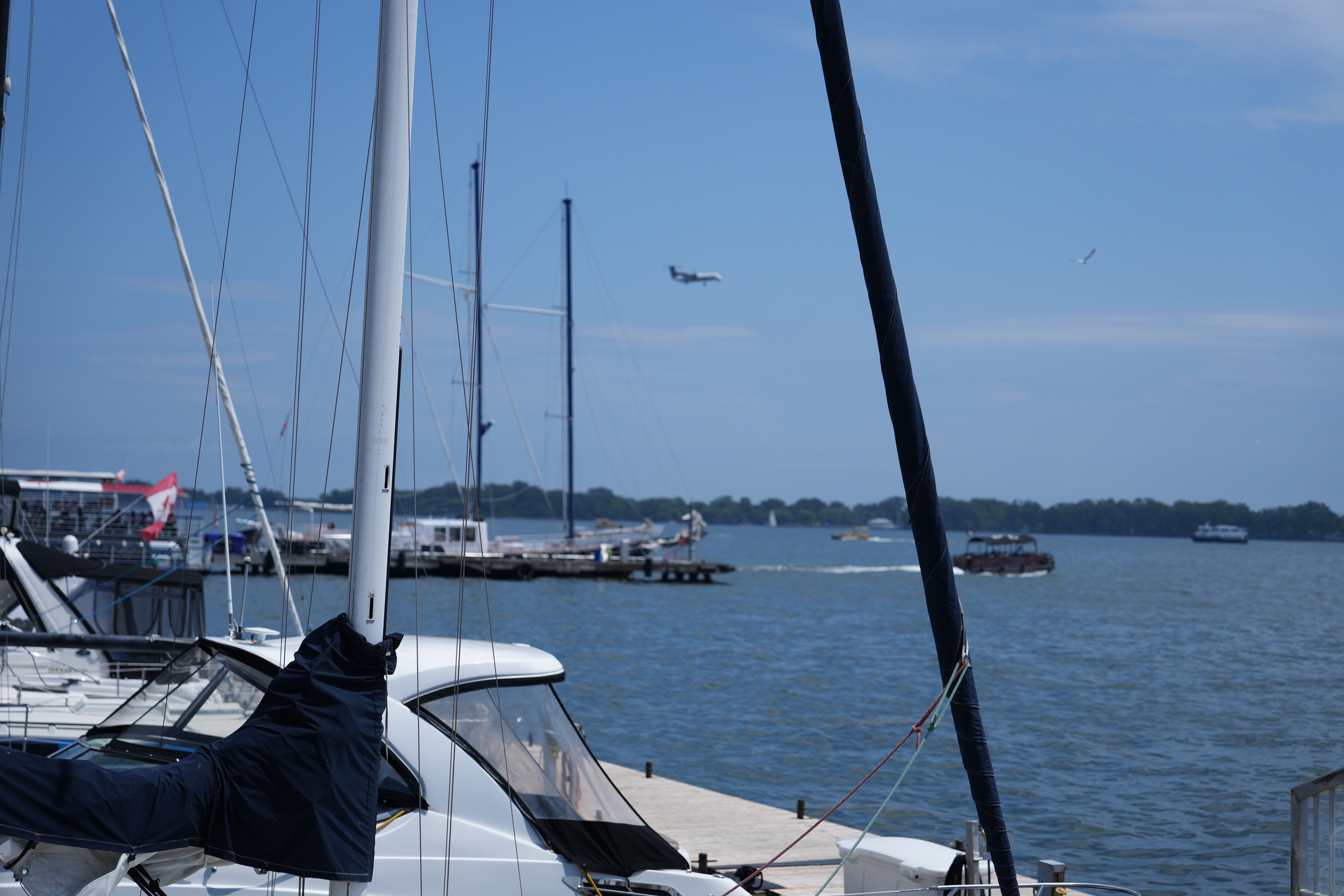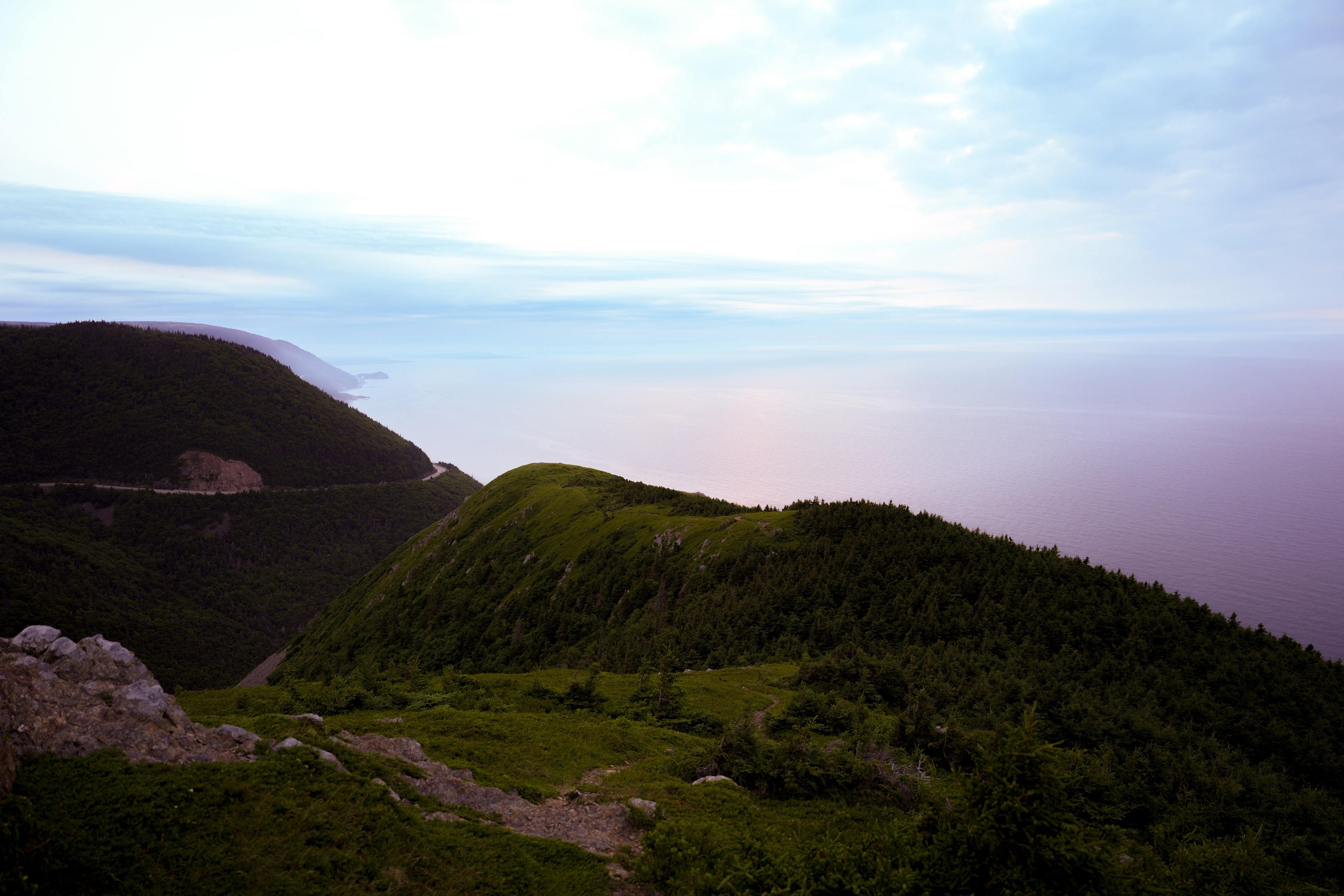
The Atlantic coast doesn't just offer light — it offers atmosphere. Understanding the unique qualities of Maritime illumination is the foundation of everything we do at The Curated Archive.
The Unique Quality of Maritime Light
There is a reason why painters flocked to the Nova Scotia coast in the 19th century, and why photographers continue to pilgrimage here today. The light along the Atlantic seaboard possesses qualities found almost nowhere else on earth.
The interaction between the cold Labrador Current and the warm Gulf Stream creates a perpetual atmospheric haze — not pollution, but a natural diffusion system that softens shadows, enriches color temperature, and gives everything a painterly quality that no filter can replicate.
The Science Behind the Aesthetic
What photographers call " Maritime light" is actually a measurable phenomenon. The high humidity content in coastal air (often 80-95% relative humidity along the Nova Scotia shore) creates natural light scattering that:
- Reduces contrast ratios — by 30-40% compared to inland conditions
- Extends the golden hour — by approximately 20-30 minutes due to atmospheric refraction
- Creates natural color grading — — blues deepen, warm tones become more saturated, and skin tones render with a warmth that digital sensors struggle to capture without post-processing
- Produces the signature "silver" quality — that defines classic Maritime photography — a cool, luminous quality that makes black and white film come alive
Reading the Maritime Sky
The most important skill a coastal photographer can develop isn't technical — it's meteorological. Understanding cloud formations, tidal patterns, and seasonal shifts transforms good images into extraordinary ones.
Spring: The Season of Drama
March through May brings the most dynamic weather systems to the Atlantic coast. Cold fronts colliding with warming ocean temperatures create dramatic cloud formations, sudden squalls, and the kind of light that changes every fifteen minutes.
This is when we schedule our most ambitious editorial shoots. The unpredictability forces us to be present, responsive, and creative. Some of our finest work — the images that have won awards and defined our studio's aesthetic — came from spring sessions where everything went wrong and then, suddenly, went perfectly right.
Summer: The Long, Soft Glow
June through August offers the most forgiving light. The sun tracks higher, but the coastal haze keeps it from becoming harsh. This is the season of long, languid shoots where time seems to stretch.
Summer is when we do most of our coastal wedding work. The extended golden hour — often lasting from 6:30 PM until well past 9:00 PM at northern latitudes — gives us an incredible window for romantic, backlit imagery.
Autumn: The Dramatic Turn
September and October bring the most dramatic light of the year. As the ocean begins to cool and storm systems intensify, the sky becomes a canvas of deep purples, burnt oranges, and steel grays.
This is our favorite season for portrait work. The combination of warm foreground light and cool, stormy backgrounds creates a visual tension that is uniquely Maritime.
Winter: The Minimalist's Season
Don't dismiss the Maritime winter. The low sun angle, combined with snow reflection and the ever-present ocean, creates a minimalist palette that is both challenging and deeply rewarding.
Winter photography along the Atlantic coast teaches you about restraint. Every element in the frame must earn its place. There are no distractions — just light, water, stone, and sky.
Practical Application: Shooting the Coast
Equipment Considerations
The Maritime environment is harsh on equipment. Salt spray, humidity, and sudden weather changes demand preparation:
- Weather-sealed bodies — are non-negotiable. We shoot exclusively with weather-sealed mirrorless systems.
- UV filters — should always be on your lenses — not for UV protection, but for salt spray protection. A $50 filter is cheaper than a $2,000 lens element.
- Lens cloths are your most important accessory. — Carry at least six. The humidity will fog your front element constantly.
- Shoot film when possible. — The combination of Maritime light and film's organic response to color temperature produces results that digital simply cannot match.
Composition in Coastal Environments
The Maritime landscape offers unique compositional challenges and opportunities:
Horizon placement is critical. With such dramatic skies, the temptation is to give them two-thirds of the frame. Resist this. The most compelling Maritime images often place the horizon low, emphasizing the vastness of the sky while grounding the image in the physical landscape.
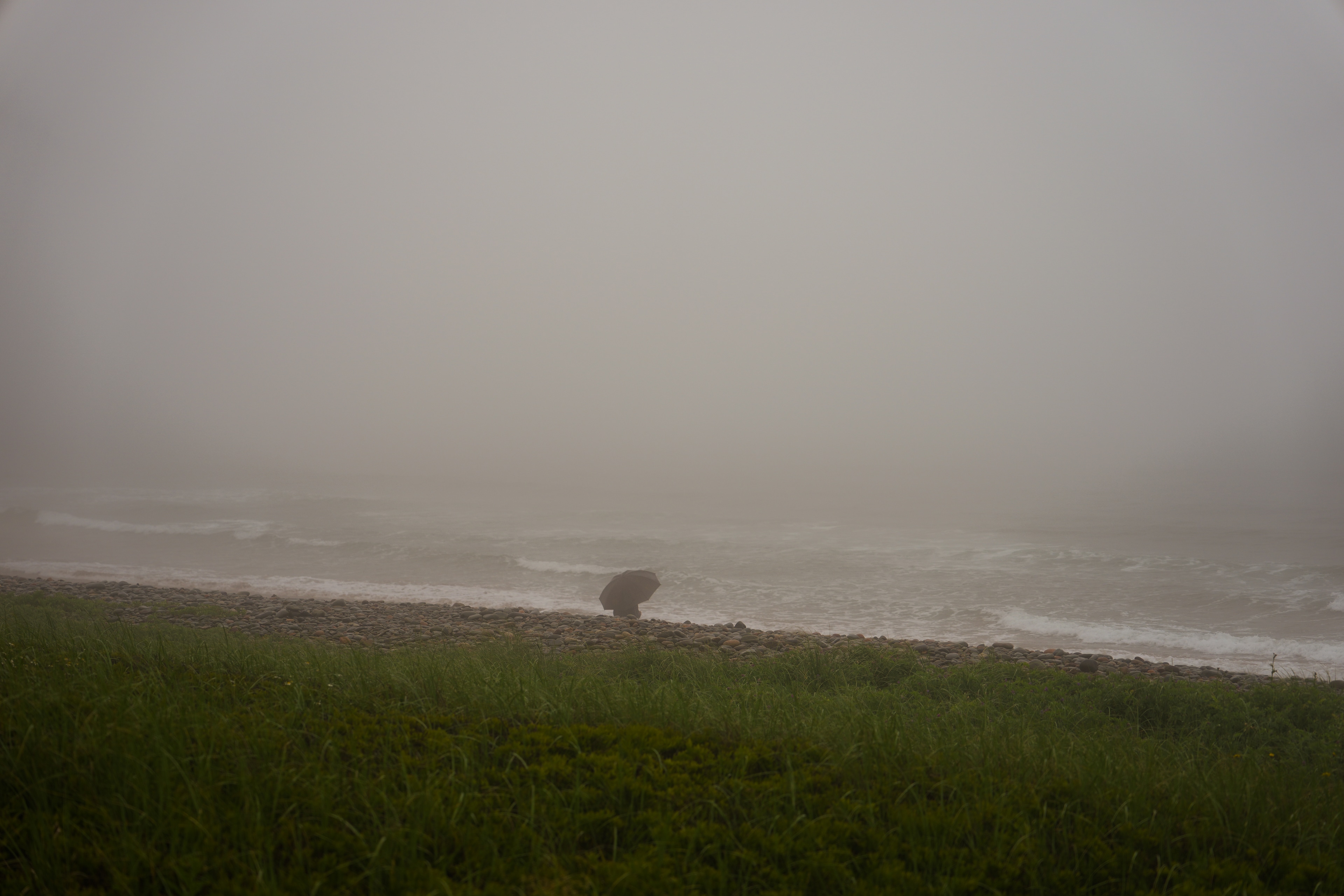
Foreground interest is essential. A dramatic sky over flat water is just a postcard. Find the weathered fishing boat, the jagged rock formation, the lone figure on the shore — these elements give the light something to interact with.
Embrace the fog. What amateur photographers see as a problem, professionals see as an opportunity. Fog simplifies compositions, creates natural leading lines, and adds an emotional quality that clear-sky images rarely achieve.
The Philosophy of Maritime Photography
At The Curated Archive, we believe that photographing the Atlantic coast is not just about capturing beautiful images — it's about participating in a visual tradition that stretches back centuries.
Every photograph we take along this coast is in conversation with the painters, poets, and photographers who came before us. We are not documenting a place; we are contributing to its ongoing visual narrative.
This philosophy informs every decision we make — from the film stocks we choose to the moments we wait for. We are not here to capture what the coast looks like. We are here to capture what it feels like.
Akshay Kumar is the Founder and Lead Photographer at Akshay Kumar Studios. He has been photographing the Atlantic coast for over a decade and his work has been exhibited in galleries across Canada and the United States.