Documenting the intimate moments and grand landscapes that define life on the coast — and why the two are inseparable.
The Paradox of Scale
There is a contradiction at the heart of coastal photography: the vastest landscapes produce the most intimate images.
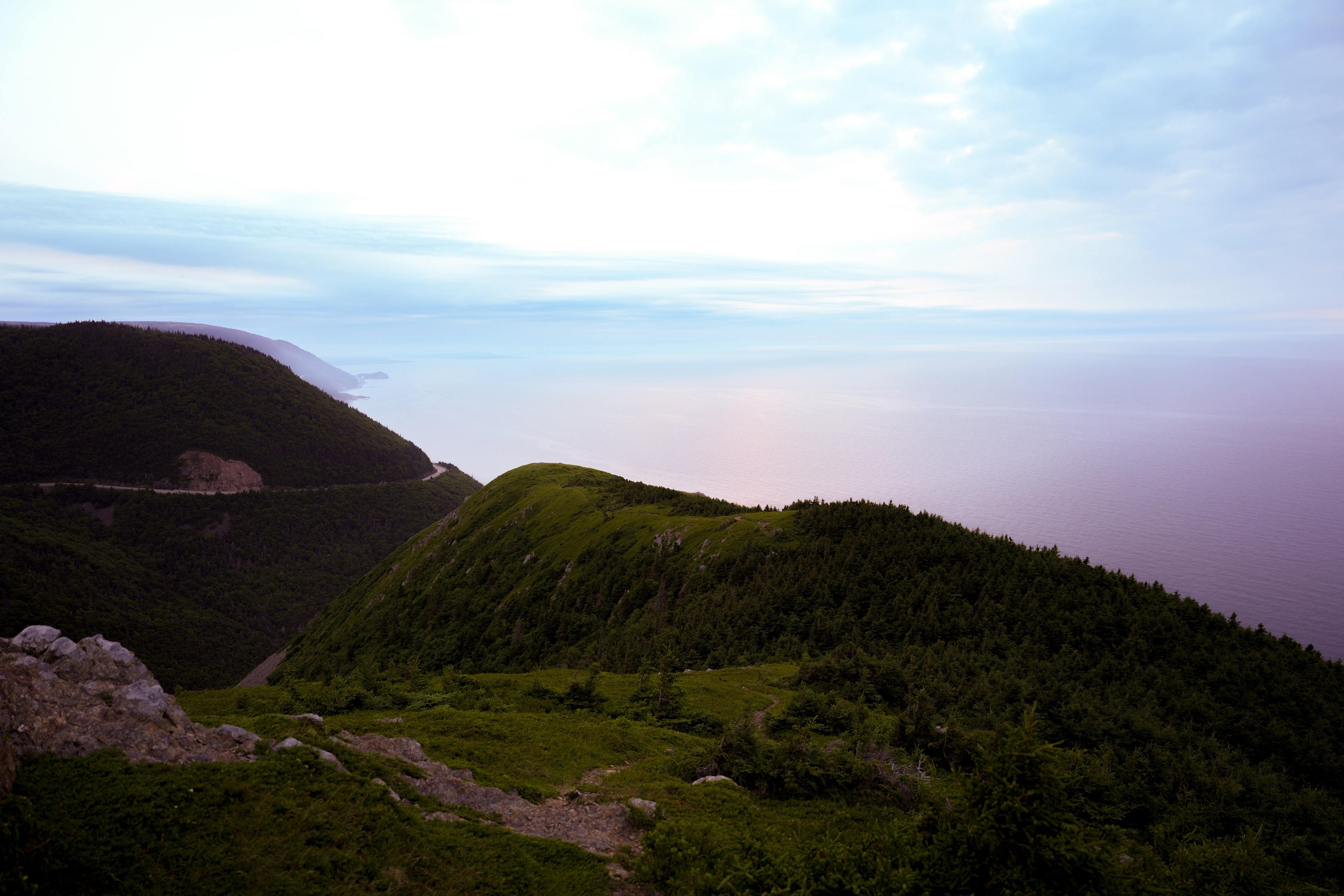
Stand on the edge of the Atlantic at Peggy's Cove and you are confronted with immensity — ocean, sky, granite, horizon. The landscape is so large it becomes abstract. And yet, within that vastness, the smallest details carry the most weight: a single wildflower growing from a crack in the rock, the curve of a weathered fishing rope, the hand of someone you love resting on a stone wall.
This is the minimalist monologue — the conversation between the enormous and the微小, between landscape and emotion, between the coast and the people who live on it.
Why Landscape Matters in Personal Photography
Most wedding and portrait photographers treat landscape as backdrop — a pretty setting behind the real subject. I believe this is backwards.
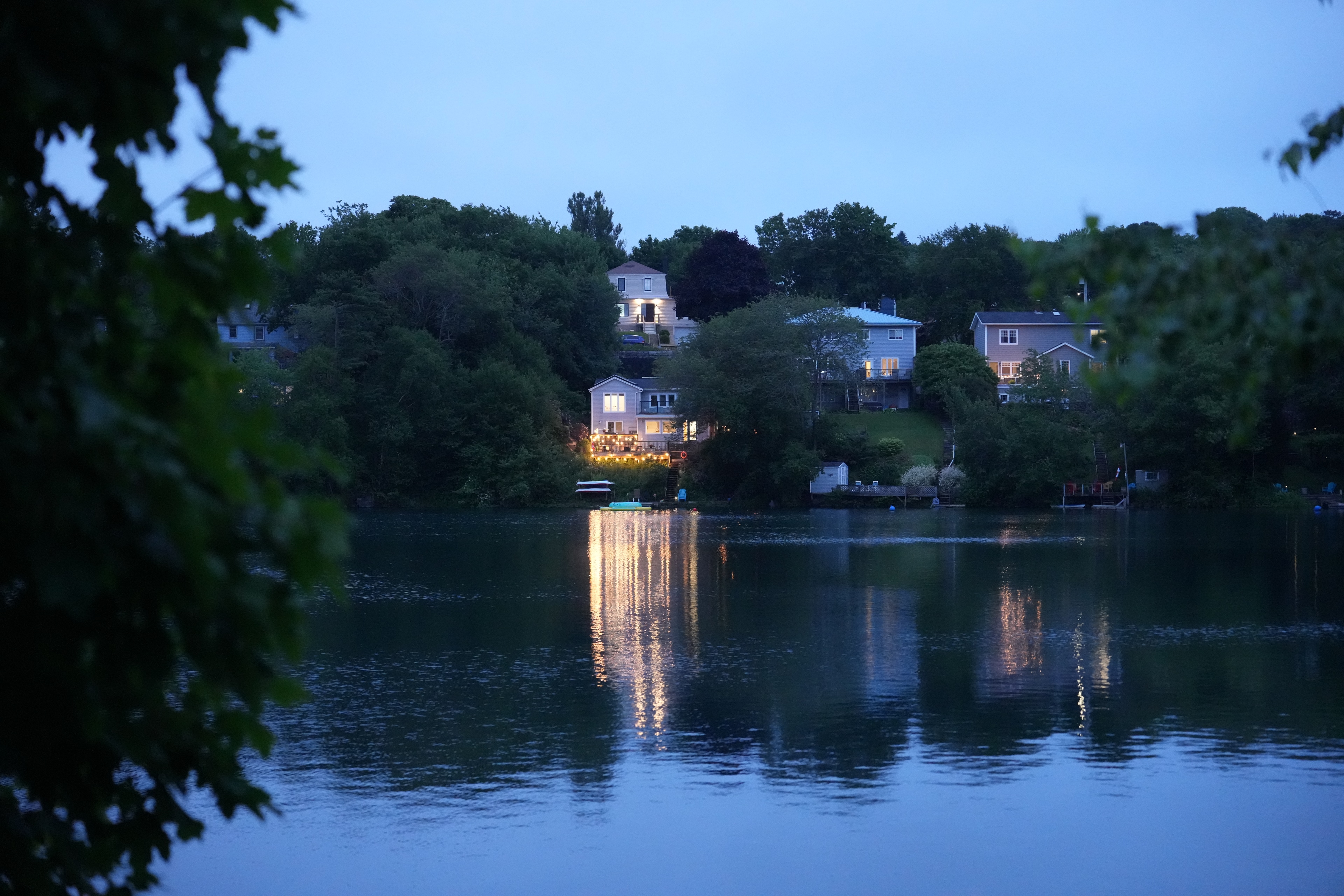
The landscape is not a backdrop. It is a character. The way light falls on the water at golden hour, the texture of fog rolling over the harbor, the way granite reflects warm afternoon sun — these elements don't just frame your story. They are your story.
When I photograph a couple on the coast, I'm not just photographing two people. I'm photographing two people in relationship to something ancient, indifferent, and beautiful. That relationship — that tension between human intimacy and geological scale — is what makes coastal wedding photography unlike anything else.
The Coast as Emotional Mirror
The Maritime coast has a way of reflecting the emotional tenor of a moment.
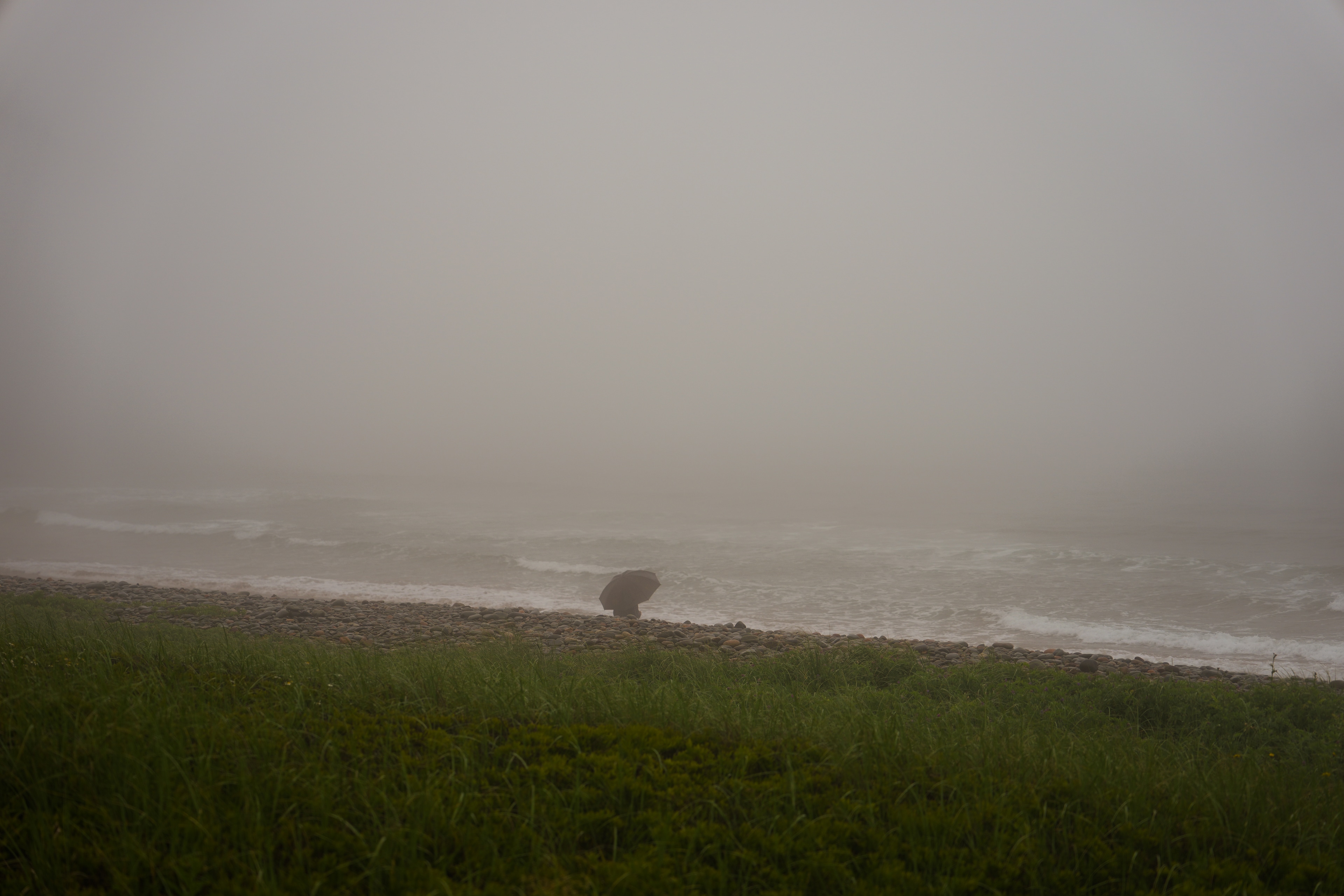
A calm, glassy morning at the water's edge mirrors the quiet certainty of a vow spoken in confidence. A storm rolling in from the Atlantic mirrors the fierce, dramatic energy of a passionate relationship. The fog that swallows the shoreline mirrors the beautiful uncertainty of beginning a life together.
I don't direct these moments. I wait for them. I read the weather, I read the light, and I read the couple. When all three align — when the landscape and the emotion speak the same language — that's when the images happen.
The Discipline of Subtraction
Minimalism in photography is not about having less in the frame. It's about having only what matters.
The Maritime coast is a natural minimalist. Winter strips the landscape to its essentials: rock, water, sky, light. Summer fills it in, but the underlying structure remains — the granite bones of the place, the horizontal pull of the horizon, the vertical reach of lighthouse towers against an enormous sky.
When I compose an image on the coast, I'm not adding elements. I'm subtracting them until only the essential conversation remains.
What to Remove
Distraction. The modern world is full of visual noise — power lines, signs, parked cars, the detritus of daily life. Part of my job is finding the angles where these disappear, where the coast reveals itself as it has existed for millennia.
Ego. The landscape doesn't care about your composition. The best coastal images come when you stop trying to impose your vision and start listening to what the place is telling you.
Urgency. The coast operates on tidal time, not human time. The light will come. The fog will lift. The wave will break. Rushing is the enemy of everything good that happens here.
The Monologue Itself
Every coastal image I create is a monologue — not a dialogue. It's not trying to convince you of anything or sell you a feeling. It's simply saying: this is what I saw, this is what it felt like, this is what remains.
The minimalist monologue doesn't shout. It doesn't need to. It speaks in the register of granite and tide, of light and weather, of two people standing at the edge of something vast and choosing each other anyway.
That's the story. That's always been the story.
Practical Application
For Couples
When you commission coastal wedding or portrait photography from us, here's what to expect:
We will walk. A lot. The best locations are rarely accessible by car. We'll hike the trails, scramble the rocks, and find the places where the landscape opens up.
We will wait. For the light, for the weather, for the moment. Sometimes the best images come after an hour of nothing happening.
We will embrace the elements. Wind, fog, rain, salt spray — these are not obstacles. They are the medium. The images that result from difficult conditions are always the most honest.
For Photographers
If you want to photograph the minimalist monologue yourself:
Shoot wide, then tighter. Start with the landscape. Let it fill your frame. Then find the small detail within it — the flower, the rope, the hand — and let that become the image.
Use the horizon. The horizontal line is the most powerful compositional element in coastal photography. Place it high for intimacy, low for vastness. Both work. Choose based on the emotion you're after.
Wait for the weather. Clear skies are boring. The Maritime coast is at its most photogenic when the atmosphere is doing something interesting — fog rolling in, storms building, light breaking through cloud.
This article is part of our Philosophy & Vision series. The images referenced here were captured along the Nova Scotia coast between 2024 and 2025.